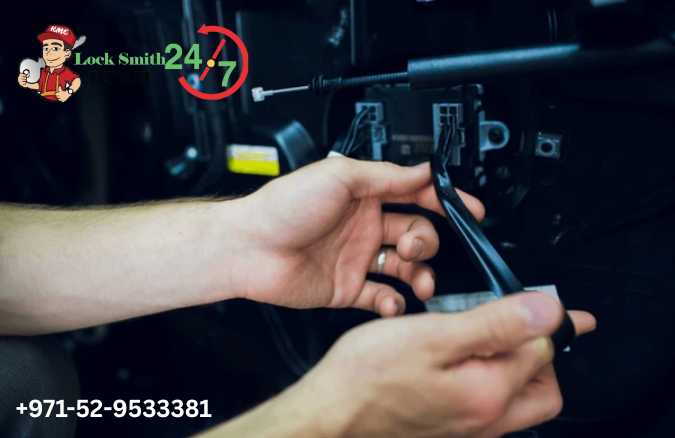
Modern vehicles rely heavily on electronic locking systems for safety, convenience, and control. Studies from automotive service networks show that power locking issues are among the top five electrical complaints reported by car owners each year. In high-use urban environments like Dubai, Sharjah, and Ajman, central locking systems experience additional stress due to heat exposure, dust accumulation, and frequent stop-and-go usage. When a car fails to lock or unlock properly, it is not just inconvenient. It also becomes a security risk that requires timely attention.
Understanding how and why a central locking system fails helps car owners make informed decisions, avoid unnecessary repairs, and know when professional assistance is required. This guide explains the most common causes behind central locking failures and provides practical, experience-based solutions.
Understanding How a Car Central Locking System Works
A central locking system connects all vehicle doors to a single control unit. When a driver uses a key, remote, or button, electrical signals activate small motors known as actuators. These actuators move the locking mechanisms simultaneously.
Because the system depends on electronics, wiring, sensors, and mechanical components working together, a failure in any one part can disrupt the entire function. Many drivers assume the issue is always the remote key, but in reality, the problem often runs deeper.
Electrical Wear and Tear Over Time
Electrical components degrade gradually. Wiring insulation dries out, connectors loosen, and circuits weaken due to constant voltage flow.
Over time, this natural degradation interrupts communication between the locking control module and door actuators. Vehicles used daily are more likely to experience this issue than those driven occasionally.
In such cases, Car Central Locking System Repair involves testing continuity, inspecting connectors, and restoring stable electrical flow rather than replacing the entire system unnecessarily.
Faulty Door Lock Actuators
Actuators are small motors located inside each door. They physically move the lock when a signal is received. These components are among the most common failure points.
When an actuator begins to fail, you may notice one door responding slower than others or not responding at all. Ignoring this early sign often leads to full system failure.
Professional technicians diagnose actuator strength and response time before recommending replacement. This targeted approach avoids excessive cost and maintains system balance.
Wiring Damage Inside Door Panels
Door wiring bends every time a door opens or closes. Over thousands of cycles, wires may crack internally even when the outer insulation looks intact.
This hidden damage disrupts signal flow and leads to inconsistent locking behavior. One moment the system works, the next it fails without warning.
Experienced technicians carefully inspect harness paths and repair affected sections rather than replacing full wiring assemblies.
Control Module Communication Failure
The central locking control module acts as the brain of the system. It receives input and sends commands to all locks.
Software glitches, moisture exposure, or voltage irregularities can cause the module to misfire or stop responding altogether. When this happens, none of the doors react despite working actuators.
Advanced diagnostics are required to determine whether reprogramming, resetting, or module replacement is the correct solution.
Remote Signal and Receiver Issues
While many people blame the remote key, the issue often lies with the receiver inside the vehicle. Interference, aging components, or poor calibration can prevent signals from being recognized.
This leads to delayed locking, partial response, or no response at all. A trained Locksmith in Dubai can test both transmitter and receiver to isolate the fault accurately.
Replacing a remote without testing the receiver often results in unnecessary expense.
Battery Voltage Fluctuations
Modern locking systems rely on consistent voltage. Weak car batteries or unstable alternator output can disrupt electronic systems.
Symptoms include locks working intermittently, responding slowly, or failing completely during engine startup. Many drivers overlook battery health when diagnosing lock issues.
Checking voltage stability is a simple but essential step before pursuing more complex repairs.
Mechanical Lock Assembly Problems
Inside each door, mechanical parts still play a role. Rust, misalignment, or broken clips can restrict movement even if electronics are functioning correctly.
This creates resistance that prevents actuators from completing their motion. Over time, this resistance damages electrical components as well.
Proper mechanical servicing restores smooth movement and protects electronic elements from premature failure.
Environmental Factors and Dust Intrusion
Fine dust particles enter door panels through window seals. Over time, this dust settles on actuators and connectors, causing friction and signal interference.
This issue is especially common in vehicles driven frequently on open roads or construction areas. Cleaning and resealing affected components often resolves the issue without part replacement.
Preventive maintenance significantly extends system lifespan.
Warning Signs You Should Not Ignore
Recognizing early symptoms prevents full system breakdown. Pay attention to unusual behavior before the system fails entirely.
Common warning signs include:
- Delayed response when locking or unlocking
- One door failing while others work
- Clicking sounds without movement
- Locks working only when engine is running
Addressing these signs early reduces repair complexity and cost.
When DIY Checks Are Useful and When They Are Not
Basic checks such as replacing remote batteries or ensuring the car battery is healthy can be done safely by most owners.
However, accessing door panels, testing circuits, or reprogramming modules requires professional tools and expertise. Attempting complex repairs without training often causes further damage.
Knowing when to stop is as important as knowing what to try.
Why Professional Diagnosis Matters
A certified locksmith evaluates the system as a whole rather than guessing individual faults. This method saves time and prevents unnecessary part replacement.
Many vehicle owners trust services like KME Locksmith Dubai because their approach focuses on accurate diagnosis and long term reliability rather than temporary fixes.
Professional service ensures system safety, security, and compliance with manufacturer standards.
The Importance of Reliable Installation Services
In cases where replacement or upgrades are required, quality installation matters as much as the parts themselves.
Services offering 24 Hour Car Central Locking System Installaiton ensure proper calibration, alignment, and integration with existing vehicle electronics.
Poor installation often leads to recurring issues even with new components.
Choosing the Right Service Provider
Selecting a trusted provider protects both your vehicle and investment. Look for experience, diagnostic capability, and transparent service processes.
Many vehicle owners rely on the Best Car Locksmith Shop in Dubai for consistent results, timely service, and expert handling of modern locking systems.
A reputable provider offers guidance, not pressure.
Conclusion
Central locking failures rarely occur without warning. They develop through electrical wear, mechanical resistance, or environmental exposure over time. Understanding these causes empowers car owners to act early and choose the right solution. Whether your vehicle is used daily or occasionally, proactive care prevents security risks and inconvenience. For residents across Dubai and surrounding communities, professional support ensures reliable repairs and lasting peace of mind. If expert assistance is required, you can Call Now +971-52-9533381 to request a Free Quote and restore your vehicle’s security with confidence.