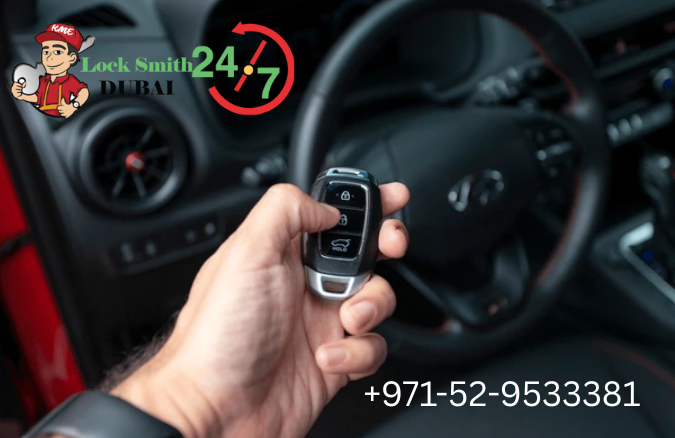
Modern vehicles rely heavily on electronic security systems, and Hyundai cars are no exception. Transponder keys are now a standard feature across most Hyundai models, designed to reduce theft and improve driver convenience. According to global automotive security studies, over 70 percent of car starting issues in modern vehicles are now linked to electronic key or immobilizer faults rather than mechanical failure. In fast-paced urban environments like Dubai, Sharjah, and Ajman, where vehicles are exposed to heat, dust, and frequent usage, transponder key issues have become increasingly common.
Understanding why Hyundai transponder keys fail is essential for car owners who want to avoid sudden breakdowns, unexpected towing, or costly dealership visits. This guide explains the real causes behind these failures and provides practical solutions that everyday drivers can understand and act on confidently.
Understanding How Hyundai Transponder Keys Work
A Hyundai transponder key is not just a metal key. Inside the plastic head, there is a small electronic chip programmed to communicate with the vehicle’s immobilizer system. When the key is inserted or detected, the chip sends a unique signal to the car’s engine control unit.
If the code matches, the engine is allowed to start. If not, the vehicle remains immobilized. This system dramatically reduces car theft but also introduces new failure points that traditional keys never had.
Because this communication happens within milliseconds, even a small disruption can prevent the car from starting. Many drivers assume the car battery or starter motor is faulty, while the real issue lies inside the transponder key itself.
Extreme Heat Exposure and Electronic Stress
Dubai’s climate plays a significant role in Hyundai transponder key failure. Electronic components are sensitive to temperature fluctuations, and prolonged exposure to extreme heat can degrade internal circuits.
Keys left on dashboards, inside glove compartments, or near windows absorb heat over time. This causes micro damage to the transponder chip or loosens internal solder points. These failures often start intermittently before becoming permanent.
Drivers may notice the car starting normally in the morning but failing later in the afternoon. This inconsistency is a strong indicator of heat-related electronic stress rather than a mechanical fault.
Battery Drain Inside the Transponder Key
One of the most common and overlooked issues is battery depletion inside the key fob. Many Hyundai owners delay Hyundai Transponder Key battery replacement because the remote lock or unlock function still works.
However, the transponder chip requires stable voltage to communicate correctly with the immobilizer. A weakening battery may allow door access but fail to authenticate the engine start command.
Low battery voltage also increases the risk of data corruption inside the chip, which can lead to permanent programming issues if ignored for too long.
Physical Wear and Accidental Damage
Keys are used daily and often handled roughly without much thought. Drops, pressure from other keys, or accidental water exposure can damage the transponder chip housing.
Cracks in the key casing allow moisture and dust to enter, slowly corroding internal components. Even a single drop onto a hard surface can dislodge the chip slightly, enough to interrupt signal transmission.
This type of damage usually results in sudden failure, where the car refuses to recognize the key without any prior warning.
Immobilizer System Desynchronization
The immobilizer system and transponder key must remain perfectly synchronized. Voltage fluctuations, jump-starting the vehicle, or battery replacement can sometimes disrupt this synchronization.
When this happens, the key is still functional, but the car no longer recognizes it as authorized. This situation is common after DIY battery changes or improper electrical repairs.
In such cases, Hyundai Transponder Key repair typically involves reprogramming rather than replacing the entire key, provided the chip itself is still intact.
Use of Duplicate or Low-Quality Keys
Some vehicle owners opt for low-cost duplicate keys without verifying chip compatibility. Not all transponder chips are equal, and using an incorrect or poorly programmed chip can cause intermittent failures.
Over time, these incompatible chips may partially communicate with the immobilizer, leading to unpredictable starting behavior. This can also confuse the vehicle’s security memory, making future programming more complex.
Professional locksmiths strongly advise verifying chip type and frequency before any duplication attempt.
Software Corruption in the Transponder Chip
Transponder chips store encrypted data that can become corrupted due to electrical interference or improper programming tools. This often occurs when untrained technicians attempt programming without manufacturer-approved equipment.
Corrupted chips cannot be repaired and require Hyundai Transponder Key Chip Replacement. Symptoms include immobilizer warning lights and complete engine lockout.
Early diagnosis can prevent further damage to the vehicle’s immobilizer control unit, which is significantly more expensive to replace.
Moisture and Humidity Damage Over Time
Although Dubai is known for dry heat, humidity levels rise significantly near coastal areas and during certain seasons. Moisture exposure inside a cracked key casing accelerates corrosion.
Humidity-related damage usually develops slowly, making it harder to detect. Owners often mistake this for random electrical issues until the key fails completely.
Regular inspection of key condition can help detect early signs of moisture ingress.
Outdated Key Programming Standards
Older Hyundai models may use transponder systems that are no longer supported by generic programming tools. As software standards evolve, outdated keys may experience compatibility issues.
This does not mean the car is obsolete. It simply requires specialized programming knowledge and equipment that not all service providers possess.
Working with experienced professionals ensures compatibility and long-term reliability.
Benefits of Professional Diagnostic Services
Professional diagnostics identify whether the issue lies in the key, battery, chip, or immobilizer system. Guesswork often leads to unnecessary replacements and higher costs.
A certified service like KME Locksmith Dubai uses advanced diagnostic tools to isolate the exact fault before recommending solutions. This approach saves time and protects the vehicle’s electronic systems.
Accurate diagnosis is especially important for modern Hyundai models with advanced security architecture.
When Repair Is Better Than Replacement
Not all key failures require full replacement. In many cases, Hyundai Transponder Key repair restores full functionality at a lower cost.
Repair is ideal when the chip is intact but desynchronized, or when battery or casing issues are involved. Replacement becomes necessary only when the chip is physically damaged or corrupted.
Knowing the difference helps owners make informed decisions instead of opting for the most expensive option by default.
Choosing the Right Locksmith Service
Selecting a reliable locksmith is critical. Look for providers offering transparent diagnostics, mobile services, and warranty-backed repairs.
A trusted Car Locksmith Expert Shop Near Me will prioritize repair over replacement and explain the issue clearly. Services operating as a Car Key Repairing Shop in Al-Barsha often handle Hyundai models due to high vehicle density in that area.
Some providers also offer a Free Quote before any work begins, ensuring clarity and trust.
Practical Tips to Prevent Future Failures
Preventive care significantly extends transponder key lifespan. Simple habits can reduce the risk of sudden failure.
• Avoid leaving keys in hot environments
• Replace batteries proactively
• Use protective key covers
• Avoid attaching heavy keychains
• Address warning signs early
These steps reduce both inconvenience and long-term repair costs.
Conclusion
Hyundai transponder key failure is rarely random. It is usually the result of environmental stress, battery neglect, physical damage, or programming issues. In regions like Dubai and nearby cities, heat and daily usage accelerate these problems, making awareness essential for every Hyundai owner.
Professional assistance from reliable services such as the Best Car Locksmith Shop in Al-Barsha ensures accurate diagnosis and cost-effective solutions. If your vehicle shows signs of key-related issues, timely action can prevent complete immobilization. For expert guidance, Call Now +971-52-9533381 to discuss repair options and receive a Free Quote from a trusted local specialist.