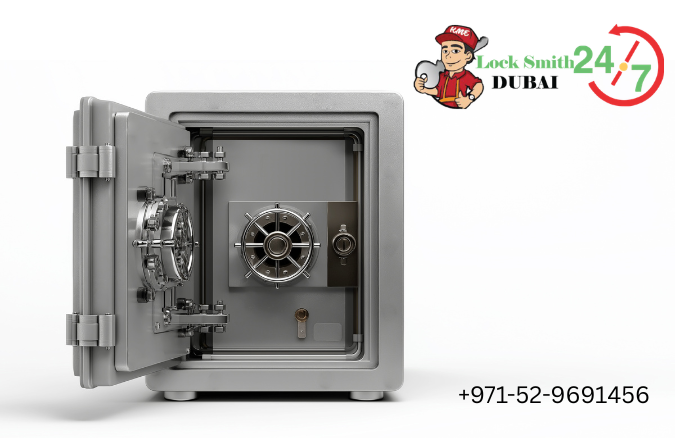
Security safes are widely used across homes, offices, retail stores, and hospitality businesses to protect valuables, confidential documents, and emergency cash. Industry estimates suggest that millions of households and commercial properties worldwide rely on mechanical or digital safes for daily protection. In fast-growing urban environments like Jumeirah Dubai, the demand for secure storage continues to rise alongside property values and business expansion. However, one of the most frustrating and stressful situations occurs when a safe suddenly refuses to open, especially during urgent moments when access is critical.
Understanding why safes malfunction and how licensed locksmith professionals resolve these issues can help property owners respond calmly and avoid costly damage. This guide explains the most common safe-opening problems, practical solutions, and when expert intervention becomes essential.
Why Safes Stop Opening Without Warning
Safes are designed for durability, but even high-quality models can fail due to wear, incorrect handling, or environmental conditions. Mechanical parts such as locking bolts, internal gears, and dial mechanisms naturally degrade over time, particularly in frequently used office environments.
Digital safes face additional risks including battery failure, keypad malfunction, or electronic circuit errors. Many users assume the safe is permanently locked when, in reality, the issue is often minor and repairable without replacing the entire unit.
Common User Mistakes That Cause Lockouts
Incorrect code entry remains one of the leading causes of safe lockouts. Repeated wrong attempts may trigger security lock mode, temporarily disabling access as a protective measure against unauthorized entry.
Another frequent mistake is forgetting updated passcodes after changing them. In busy commercial settings, multiple staff members may share access, increasing the likelihood of confusion and accidental lockouts that require professional assistance.
Mechanical Failures Inside Traditional Safes
Mechanical dial safes depend on precise alignment of internal discs. Even slight misalignment caused by impact, aging springs, or dust buildup can prevent the lock from disengaging correctly.
Over time, lubrication inside the mechanism dries out, creating resistance during rotation. This leads to stiffness in the dial or complete lock failure, situations that typically require specialized locksmith tools and technical knowledge to resolve safely.
Digital Safe Malfunctions and Power Issues
Electronic safes are convenient but sensitive to power supply problems. Dead batteries are the simplest cause, yet many owners overlook hidden battery compartments or emergency power ports designed for temporary access.
More complex failures involve damaged keypads, wiring faults, or internal motherboard errors. Attempting to force the safe open in these cases can permanently damage the locking system, increasing repair costs significantly.
Signs You Should Call a Licensed Locksmith Immediately
Some warning signs indicate the need for professional help rather than DIY troubleshooting. Grinding noises, stuck bolts, or partial opening attempts suggest internal damage that requires careful handling.
Similarly, safes containing legal documents, jewelry, or sensitive business records should never be forced open. Licensed locksmiths use controlled, non-destructive techniques that preserve both the safe and its contents.
Professional Techniques Used to Open Safes Safely
Licensed locksmith specialists rely on advanced diagnostic tools to identify the exact failure point before attempting entry. This may include lock manipulation, scoping technology, or precision drilling in rare cases where non-destructive methods are impossible.
The primary goal is always safe recovery with minimal structural damage. Skilled technicians can often restore full functionality after opening, allowing continued use instead of expensive replacement.
Benefits of Choosing a Licensed and Insured Expert
Hiring a licensed professional ensures compliance with local regulations and industry standards. Certified locksmiths undergo technical training, background verification, and practical assessment before offering safe-opening services.
Insurance coverage provides additional peace of mind. In the unlikely event of accidental damage, property owners remain financially protected, something unverified technicians cannot guarantee.
Risks of Attempting DIY Safe Opening
Trying to open a safe using online tutorials or household tools can permanently destroy the locking system. Many modern safes include relocking devices that activate when tampering is detected, making professional opening far more complex afterward.
DIY attempts may also void manufacturer warranties. What begins as a simple battery replacement issue can quickly escalate into a full safe replacement costing far more than professional service.
Step-by-Step Actions to Take When Your Safe Won’t Open
When immediate access is required, following calm and structured steps can prevent further damage:
- Check batteries and replace them with fresh, high-quality cells
- Confirm the correct code and ensure keypad buttons respond properly
- Look for hidden override keys or emergency power options
- Avoid forcing the handle or drilling the lock
If these steps fail, contacting a licensed locksmith remains the safest and most cost-effective solution.
Professional assistance typically includes diagnosis, controlled opening, repair, and guidance to prevent future lockouts. This comprehensive approach restores both access and long-term reliability.
Preventive Maintenance That Extends Safe Lifespan
Routine maintenance significantly reduces the risk of unexpected lockouts. Mechanical safes benefit from periodic lubrication and alignment checks performed by trained technicians.
Digital safes require battery replacement schedules and keypad inspection. Preventive servicing is especially valuable for businesses handling daily cash storage or confidential paperwork.
Situations Where Safe Replacement Becomes Necessary
Not all safes can be repaired economically. Severe internal corrosion, outdated locking technology, or repeated tampering damage may justify replacement instead of restoration.
Modern safes offer improved fire resistance, digital encryption, and audit tracking features. Upgrading security equipment can enhance protection while reducing future maintenance concerns.
How Professional Locksmith Services Support Businesses and Homes
Reliable locksmith support goes beyond emergency opening. Services often include safe installation, combination changes, security upgrades, and risk assessment for property protection.
For commercial environments such as retail outlets, clinics, and offices, rapid response reduces operational downtime. Residential users benefit from discreet service that protects privacy and valuables.
Choosing a Trustworthy Safe Opening Service Provider
Selecting the right professional requires careful evaluation. Property owners should verify licensing credentials, response time, service transparency, and customer reviews before booking assistance.
Clear pricing estimates and non-destructive opening methods indicate ethical practice. A dependable locksmith focuses on solving the problem efficiently rather than promoting unnecessary replacements.
Conclusion
Safe lockouts can occur unexpectedly, creating stress and potential financial risk for property owners. Whether caused by mechanical wear, electronic malfunction, or simple user error, the safest solution is professional intervention from a licensed locksmith in Jumeirah Dubai. Expert handling protects valuable contents, prevents structural damage, and restores long-term security with confidence.
Investing in preventive maintenance and trusted locksmith support ensures that safes remain reliable protection tools rather than emergency obstacles. With the right professional guidance, even the most stubborn locked safe can be opened safely and efficiently.